
Earth Day Guide: Planning a More Sustainable Travel Itinerary
Apr 01 2026
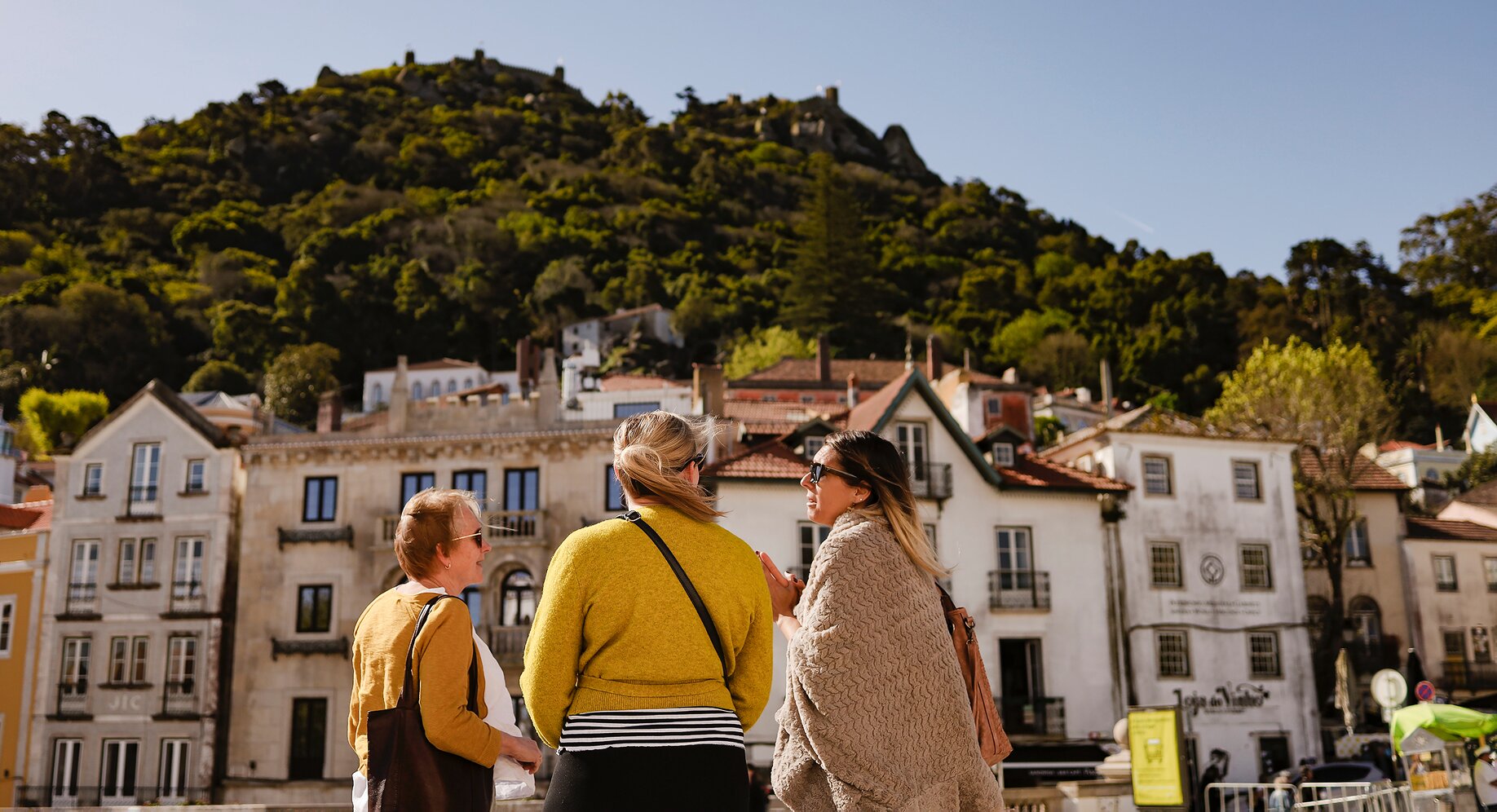
Planning a trip often starts with a list: places to see, things to fit in, routes to optimize. But a more sustainable approach doesn’t require a complete reset. It comes down to a few simple shifts that shape how your time, and your presence, affects a place.
When you slow down, stay longer, and look beyond the obvious, you spread your impact more thoughtfully, supporting a wider range of local businesses, easing pressure on crowded areas, and engaging more directly with the communities you’re visiting. At the same time, these choices tend to make travel feel more rewarding: less rushed, more personal, and easier to connect with.
Slow the Pace
It’s easy to fall into the habit of moving quickly from one landmark to the next, trying to make the most of every hour. But when everything is scheduled, very little has room to breathe.
Slowing down by staying longer in fewer places, and leaving space for an unplanned afternoon, can make a destination feel more vivid. You spend less time in transit and looking at the time, and more time noticing the details that tend to get missed when you’re rushing.
Stay Longer in One Place
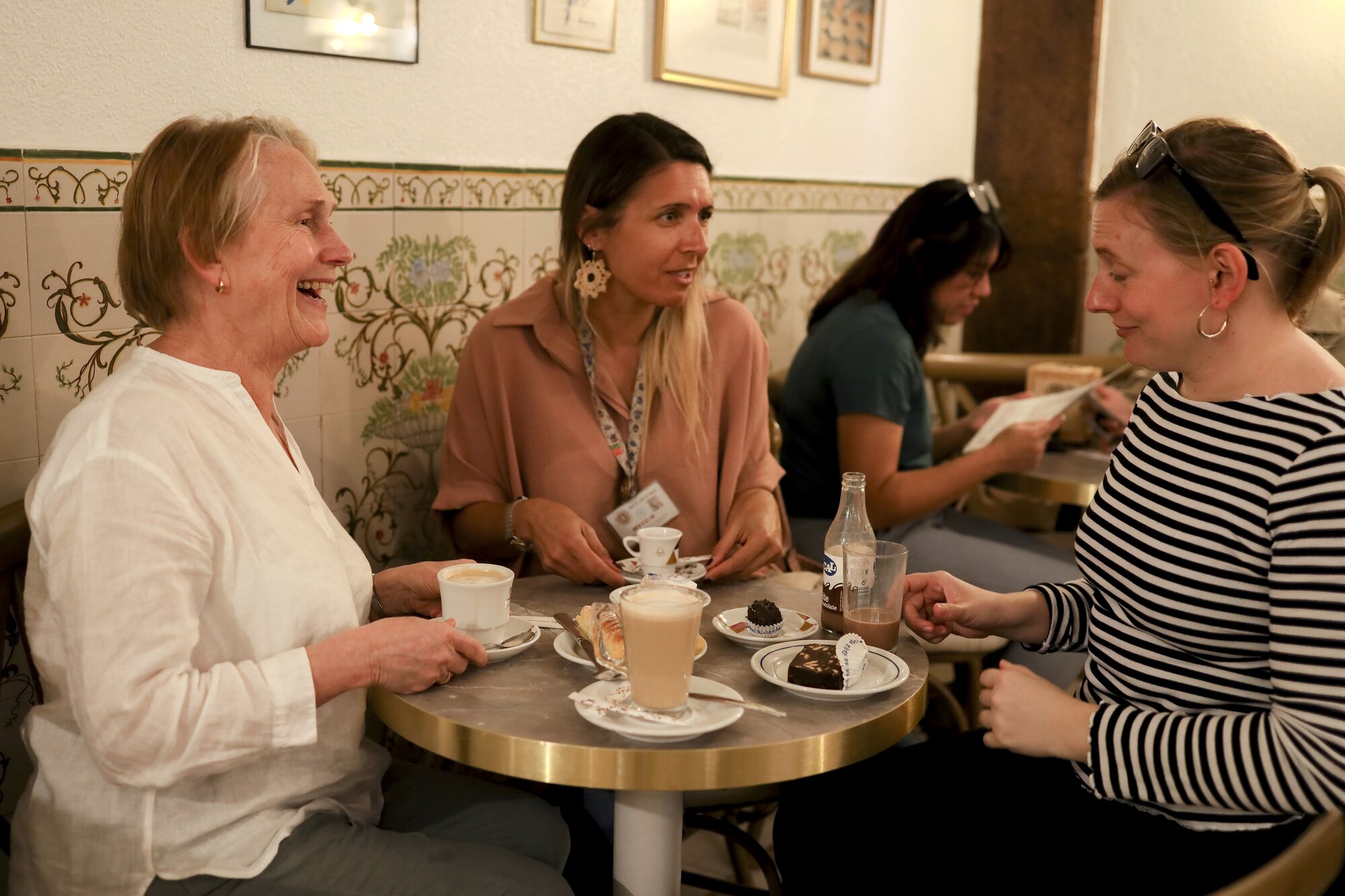
A longer stay changes your relationship with a place. Instead of arriving, seeing, and leaving, you start to settle in—even briefly.
You might find yourself returning to the same café in the morning, recognizing the rhythm of a neighbourhood, or picking up on small patterns that don’t reveal themselves in a single day or two. The little connections you make start to make you feel more at home. It’s a simpler way to travel, with fewer logistics and often a more meaningful experience.
Travel Outside Peak Season
Timing has a noticeable impact on how a place feels. Visiting outside the busiest months can shift the experience entirely.
Streets are easier to move through, conversations feel less rushed, and local businesses often have more time to engage. It also helps ease the pressure on destinations that see the majority of visitors concentrated into a short window each year.
Explore Beyond the Main Areas
Many trips naturally centre around a handful of well-known areas. But stepping just a little outside those zones can open up a different side of a city.
Neighbourhoods beyond the centre often have a more local feel—independent shops, everyday cafés, markets that serve residents rather than visitors, giving you more of a chance to rub shoulders with locals, rather than just other tourists. Spending time there helps spread the benefits of tourism more widely, while giving you a more complete sense of the place.
Look Past the Major Cities
Large cities with their main attractions draw attention for good reason, but they’re only one part of the story. Smaller cities and towns often offer just as much character, with a different pace and fewer crowds. Check out our list of European Cities You Haven’t Visited Yet - and Should for inspiration on a dozen smaller cities in Europe that are very much worth a trip.
Adding a secondary destination, or spending time in a smaller region, can round out your understanding of a country. These places tend to feel more personal, and your visit can have a more direct impact on local communities.

Talk to a Local Guide Before You Go
A short conversation with your guide on ToursByLocals before your trip can shape it in ways that aren’t obvious from a guidebook.
Local guides can point you toward areas that align with your interests, suggest better timing for popular sites, or introduce experiences that wouldn’t appear in a standard itinerary. It’s a simple step that can make your plans feel more considered and locally-led from the start.
Consider Trains Over Flights
How you move between destinations matters, especially on shorter routes.
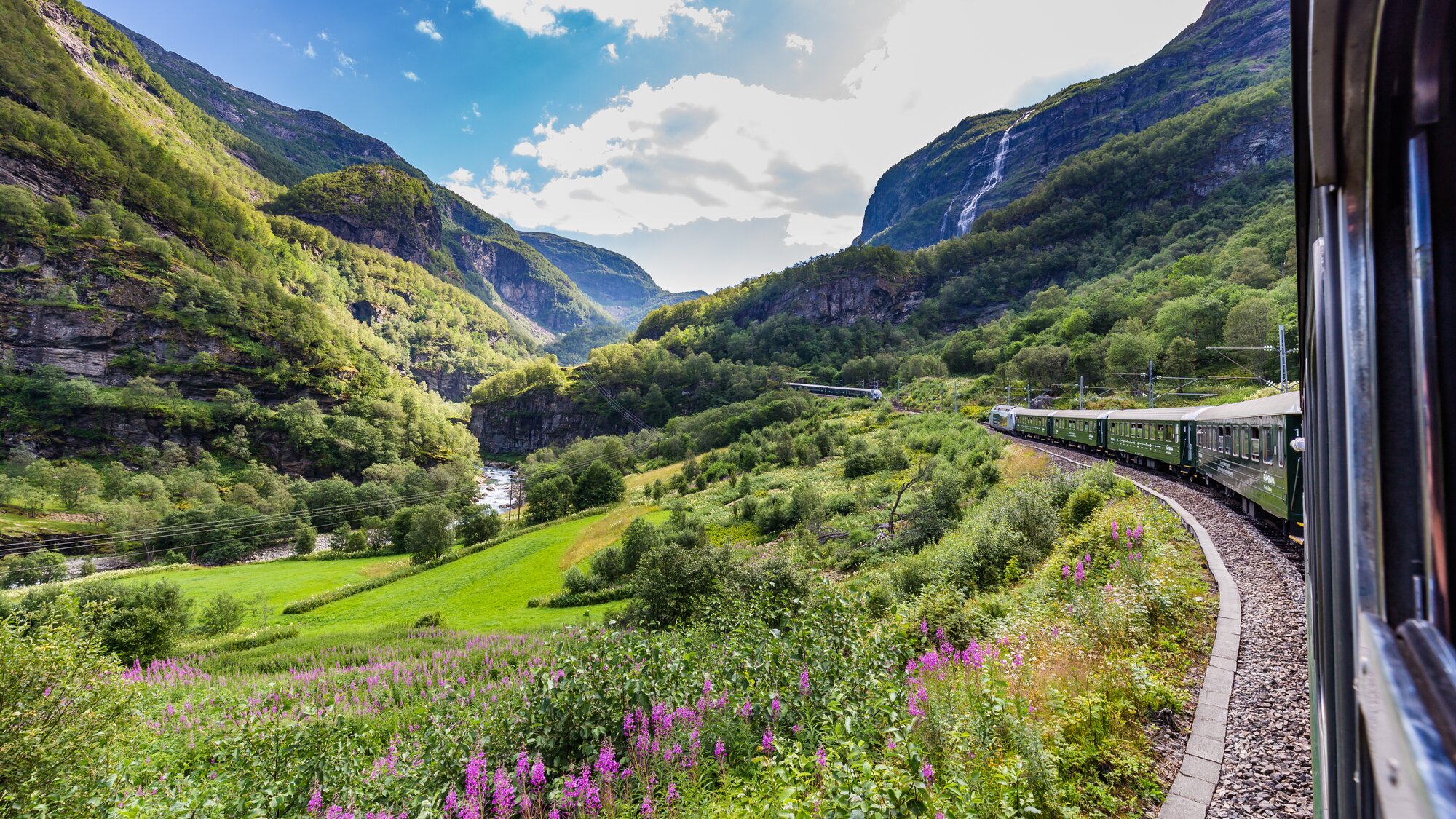
In many parts of Europe in particular, trains are a practical, fun and comfortable option. They connect city centres, avoid the extra time, distance and security hassle of airports, and offer a more gradual way to travel through a landscape. You see the journey as it unfolds, rather than skipping over it entirely. (Check out some of our favourite rail journeys around the world!)
A More Balanced Way to Travel
Sustainable travel doesn’t need to be complicated. It’s less about strict rules, and more about choosing a slightly different approach to your trip planning: staying longer, moving more slowly, and looking a little further afield.
Those choices tend to lead to a better experience overall. You come away with a stronger sense of place, and a trip that feels less like a series of stops—and more like time well spent.